The Importance of Indoor Air Quality and How to Improve It Feb 07, 2026
Indoor air quality pertains to the cleanliness and health safety of the air inside a building, often a greater concern than outdoor air quality. Poor indoor air can be attributed to several factors, including inadequate ventilation, contaminants from building materials, and allergens such as pollen, dust, and pet dander. Furthermore, the increasing use of synthetic building materials and household products has heightened concerns about indoor pollutants.
Health effects arising from poor indoor air quality can range from minor irritations like dry eyes, headaches, and fatigue to more severe conditions, including respiratory diseases, heart disease, and cancer. Young children, the elderly, and those with pre-existing health conditions are particularly vulnerable to the impacts of poor indoor air quality. Thus, ensuring your indoor environment is free from pollutants is paramount.
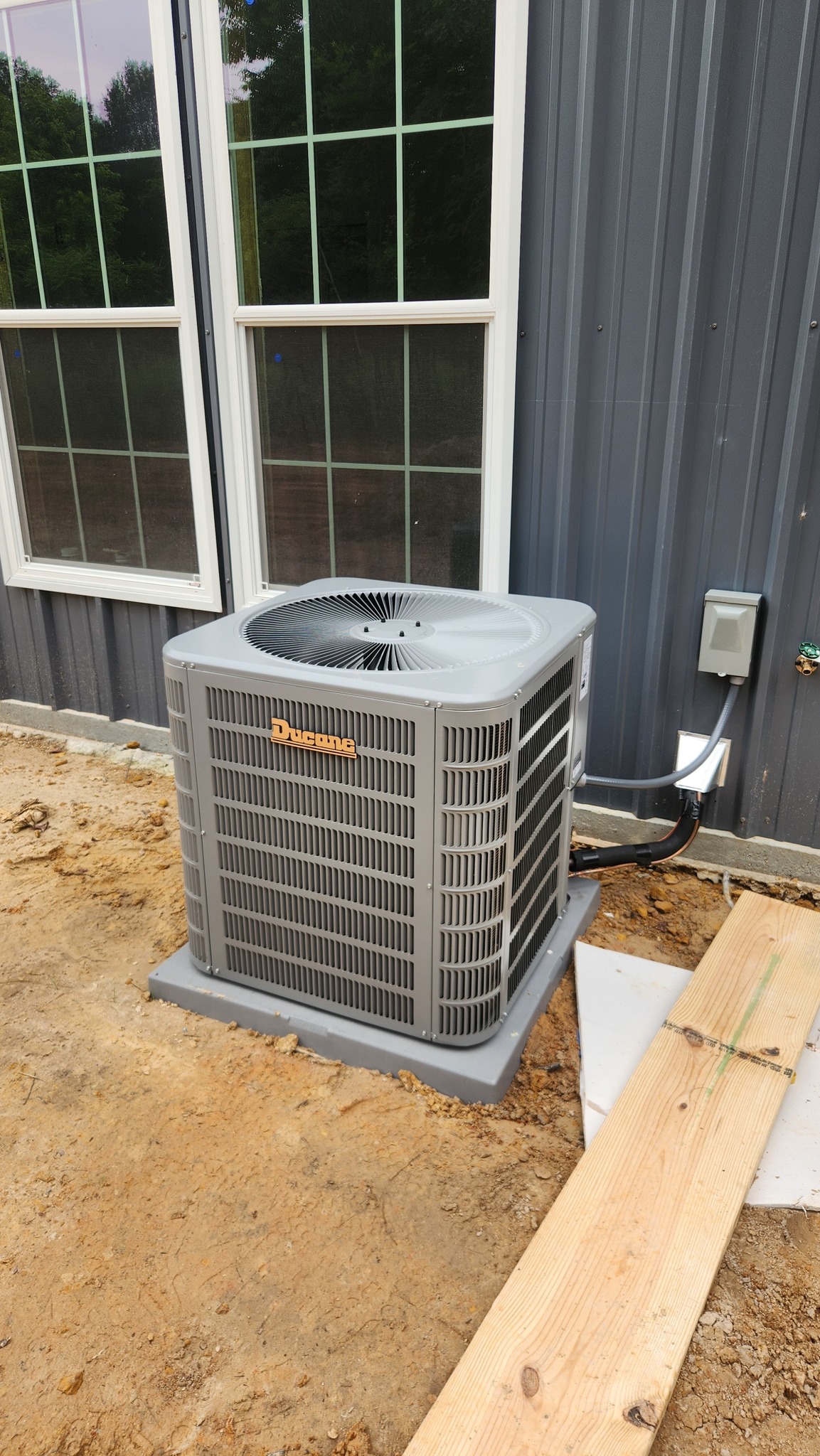
Improving indoor air quality starts with identifying the sources of pollutants in your home. Regularly inspecting and maintaining your heating, ventilation, and air conditioning (HVAC) system is crucial. An efficiently running HVAC system not only regulates temperature but also plays a significant role in filtering and circulating clean air. Scheduling routine maintenance with Southern Air Service Co. can help ensure your system is working optimally.
Ventilation is another crucial aspect of maintaining good indoor air quality. It involves the introduction of outdoor air, which helps dilute indoor pollutants and remove stagnant air. Opening windows and doors periodically, using exhaust fans in kitchens and bathrooms, and considering an air purifier can significantly boost air exchange rates and improve air freshness.
Additionally, controlling the moisture levels in your home is essential. High humidity levels can lead to mold growth, which is a common indoor air contaminant. Using dehumidifiers, fixing leaks, and ensuring your home is well-insulated can mitigate this issue and maintain a comfortable indoor climate.
Beyond mechanical solutions, incorporating houseplants into your home decor can naturally enhance indoor air quality. Plants like Snake Plant, Aloe Vera, and Spider Plant are known for their air-purifying abilities and can help absorb certain indoor pollutants. However, it's crucial to remember that while plants can contribute to cleaner air, they should complement, not replace, other air quality improvement measures.
In conclusion, the significance of indoor air quality cannot be overstated, with direct implications for your health and comfort. By identifying and addressing sources of pollution, enhancing ventilation, managing humidity, and maintaining your HVAC system, you can substantially improve the air you breathe at home. Southern Air Service Co. is dedicated to helping our customers achieve this by providing exemplary HVAC services and support. Take the step towards cleaner indoor air today for a healthier tomorrow.
/filters:no_upscale()/filters:format(webp)/media/5a745295-d5a0-4703-91ed-171ce15c8a09.jpeg)
/filters:no_upscale()/filters:format(webp)/media/911ce1ab-654e-49a0-b2c8-b68671ac6b47.jpeg)